The narrator’s breakup with Jun-oh
Winter in SokchoThe narrator’s breakup with Jun-oh is the point at which a practical disagreement about where to live becomes an acknowledged separation. Jun-oh wants her to move to Seoul for his new job; she refuses, unwilling to leave her mother or bring her into a household where she would have no work. When the narrator later tells Jun-oh by phone that the relationship is over, he says he is tired and will let her go, though he postpones further discussion. The decision is quiet, but its consequences register through the couple’s unresolved intimacy and the narrator’s physical response to the cold outside her window.
The Dispute Over Seoul
Jun-oh returns to the guest house close to midnight after snow delays his bus. The narrator has prepared ginger calamari, but he does not eat because he has already eaten and is watching his diet. As they walk to her room, she points out that he never asks for her news on their phone calls; he counters that she has never called him. The exchange exposes the distance as a shared grievance, but Jun-oh is the one who turns it into a demand for change: he is tired of the long-distance relationship and wants her to move to Seoul. He says his salary can support them until she finds work and suggests that her mother could come too.
The narrator refuses both parts of the proposal. She cannot abandon her mother, but she also does not want her mother living with them, especially when she would have no job in Seoul. Jun-oh describes his job as a genuine opportunity that he cannot decline and tells the narrator that he loves her. She nevertheless says she will stay in Sokcho and does not ask him to give up the position. Her recollection of Seoul is not a neutral map of alternatives: she remembers drinking, parties, blinding lights, noise, and a city crowded with girls and swaggering boys. Against that sensory recollection, staying becomes a choice against the future Jun-oh is offering, not merely a delay until circumstances improve.
Intimacy Before the Separation
That night, the couple lie in bed without speaking, looking at the ceiling. Jun-oh eventually mentions taking the bus back to Seoul in the morning. The narrator’s feet are cold, and she presses herself against him. When he searches for the nape of her neck, she whispers that someone is in the next room. He lifts her nightshirt and begins to touch her; she protests, then lets him continue. The scene does not undo their disagreement or settle their future. Instead, the narrator recognizes that she wants to be desired, making physical closeness coexist with the decision that will soon end the relationship.
The Phone Call and Its Aftermath
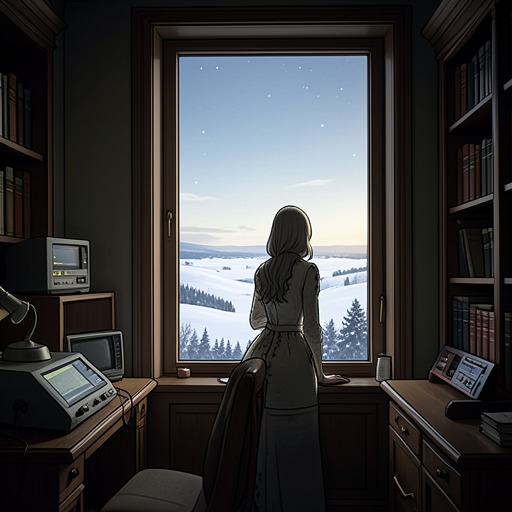
The decisive breakup comes later, after Jun-oh has left. The narrator asks how he is and then tells him she is breaking up with him. His silence is long enough that she thinks the call has ended. When he asks why, she stands and opens the curtains. Wet snow is falling; a figure passes under a newspaper for shelter before disappearing into an alley. The passing stranger’s brief appearance gives the scene a visible image of exposure and disappearance, while the call itself remains spare and hesitant.
Jun-oh eventually answers in a faint voice. He says he is tired and will let her go, adding that they can talk about it again later. The postponement leaves the breakup emotionally unresolved even as the narrator has stated her decision. She removes her jumper, presses her belly and breasts against the window, and stays there until the cold numbs her before going to bed. The gesture makes the separation bodily: after the muted exchange of declarations and silence, she seeks numbness through contact with the winter glass.